Running a business today means juggling countless tasks, from managing inventory and tracking finances to coordinating teams and serving customers.
If you’re still relying on spreadsheets and disconnected tools, you may be wasting valuable time and missing critical insights. That’s where ERP system softwares comes into play, offering a game-changing solution for businesses of all sizes.
What Exactly Is ERP Systems Software?
Enterprise Resource Planning (ERP) systems software is a unified platform that brings all your business processes together under one roof. Think of it as the central nervous system of your company, connecting different departments and functions so information flows seamlessly across your entire organization.
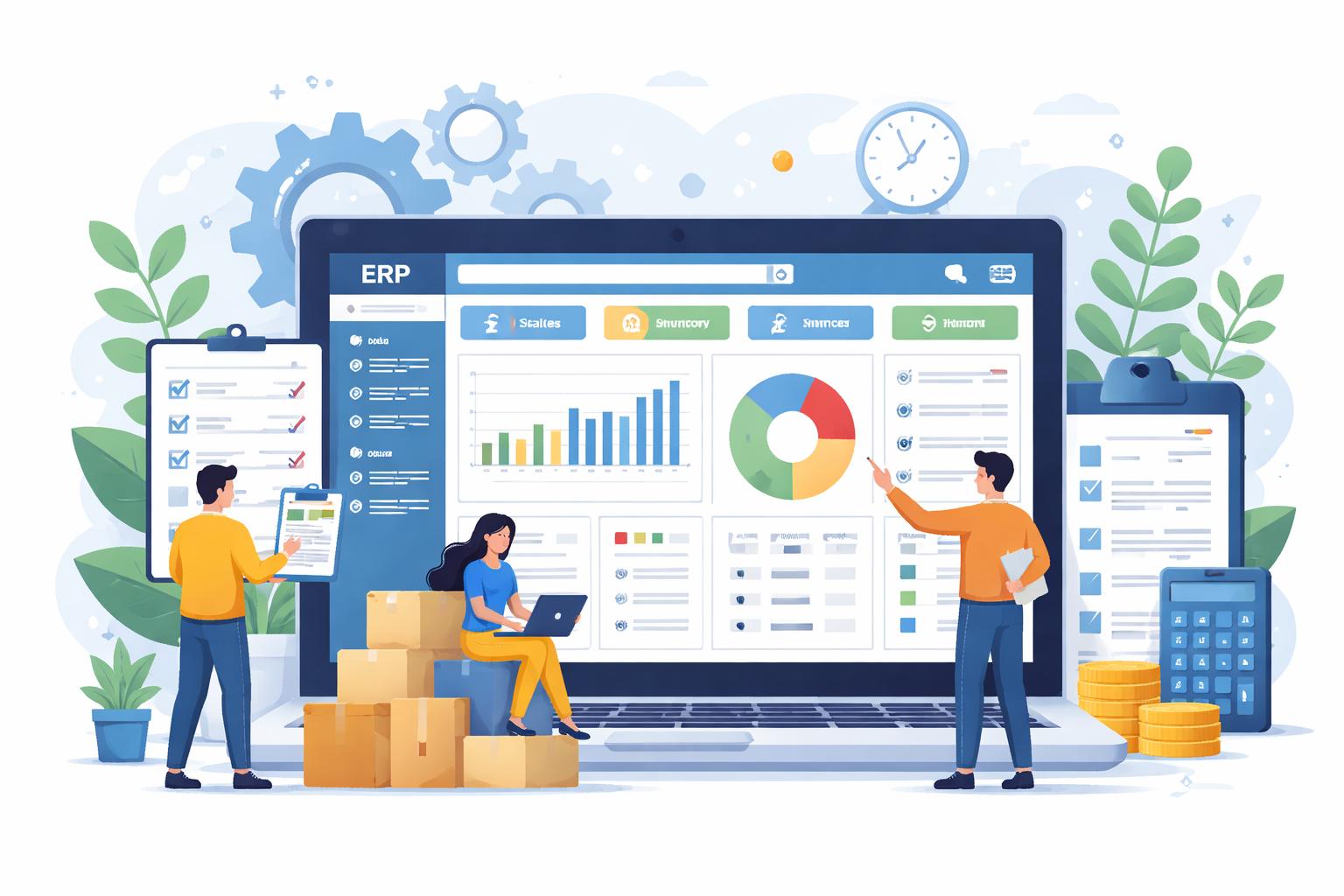
Instead of having separate programs for accounting, inventory, human resources, and customer management, an ERP system integrates everything into a single, cohesive solution. This means your sales team can see real-time inventory levels, your finance department can track expenses as they happen, and management can access comprehensive reports without digging through multiple systems.
Why Your Business Needs ERP Software
The benefits of implementing ERP software extend far beyond simple convenience. Here’s how it can revolutionize your operations:
- Improved Efficiency: Say goodbye to duplicate data entry and manual processes. When all your systems talk to each other, your team can focus on strategic work instead of administrative tasks.
- Better Decision-Making: Real-time data and analytics give you a clear picture of your business performance. You’ll spot trends, identify problems early, and make informed decisions faster.
- Cost Savings: While ERP systems require an initial investment, they typically pay for themselves through reduced operational costs, fewer errors, and improved productivity.
- Scalability: As your business grows, your ERP system grows with you. You can add new modules, users, and features without starting from scratch.
Choosing the Right ERP Solution
Not all ERP systems are created equal. The right choice depends on your industry, company size, and specific needs. Some businesses need robust manufacturing capabilities, while others prioritize customer relationship management or e-commerce integration.
Cloud-based ERP solutions have become increasingly popular because they offer flexibility, lower upfront costs, and automatic updates. You can access your data from anywhere, making remote work and multi-location management much easier.
When evaluating options, consider factors like user-friendliness, customization capabilities, vendor support, and integration with your existing tools.
Conclusion
Implementing ERP systems software isn’t just about technology; it’s about transforming how your business operates. Start by identifying your biggest pain points and involving key stakeholders in the selection process. With the right system in place, you’ll wonder how you ever managed without it.
The digital transformation of business is no longer optional; it’s essential for staying competitive. ERP systems software provides the foundation you need to streamline operations, empower your team, and position your business for sustainable growth in today’s fast-paced marketplace.