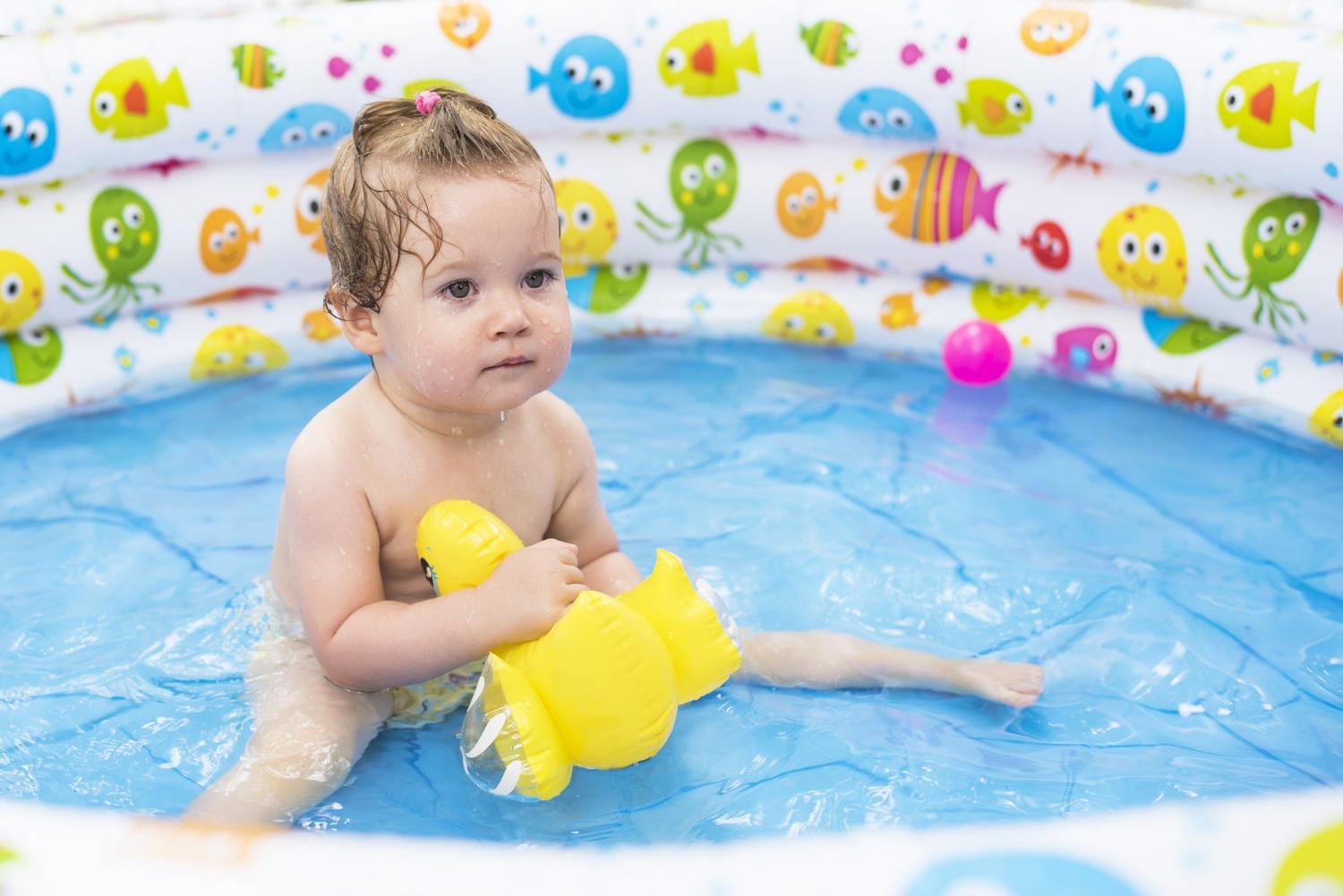
Taking your baby swimming shouldn’t involve panicking about accidents in the pool. Swim nappies prevent mortifying moments, but choosing the wrong ones turns a fun outing into a soggy disaster. Here’s what actually matters when you’re standing in the baby aisle wondering which packet to grab.
Disposable Versus Reusable: The Real Costs
Disposable swim nappies cost roughly £0.50 each. Two swimming sessions weekly for a year? That’s £50 down the drain. Reusable ones cost £10-15 but last until your child outgrows them. The maths seems obvious, except disposables are genuinely more convenient. No rinsing poo in public loos. You decide whether saving money is worth the extra washing.
Fit Matters More Than Brand
A poorly fitting swim nappy is utterly useless. Too loose and everything escapes. Too tight and your baby screams whilst you wrestle them into it. Check the weight guidelines, then ignore them—babies vary massively. The leg holes should sit snug against skin without leaving red marks. If you can fit more than one finger inside, size down.
They Don’t Absorb
Regular nappies swell like water balloons in pools. Swim nappies are designed not to absorb, which confuses parents expecting them to work like normal ones. They contain solids but won’t hold wee. The entire pool is basically a shared toilet anyway. If that bothers you, babies in public pools might not be your thing.
Double Layers Prevent Disasters
Some parents layer a disposable swim nappy under reusable swim pants. Sounds excessive until you’ve experienced a code brown situation poolside. That extra barrier provides insurance when you’re twenty minutes from the changing room. Worth the minor expense and bulk for peace of mind during longer sessions.
Sizing Up Is Usually Wrong
Buying bigger “for growth” creates gaps where accidents escape. Swim nappies need precise fitting right now, not in three months. Your child will outgrow them before they wear out anyway. Proper fit today beats theoretical future value every time.
Quick-Dry Fabric Beats Cute Designs
Those adorable ruffled swim nappies take forever to dry. They’re sitting damp in your bag breeding bacteria whilst you drive home. Plain, quick-drying materials are less Instagram-worthy but far more practical. Mouldy swim gear smells revolting and needs binning, regardless of how cute it looked initially.
Check Pool Requirements First
Some swimming pools require specific types. Showing up with regular nappies gets you turned away. Others insist on double protection for babies under certain ages. Ring ahead or check websites before purchasing. Buying something that doesn’t meet their rules wastes money and ruins your planned outing.
Test Before Your First Proper Swim
Try swim nappies during bath time first. See how easily they go on, whether your baby tolerates them, and how they handle getting wet. Discovering fit problems at the pool with a screaming child and a queue of people waiting is miserable. Five minutes testing at home prevents public meltdowns.